 SageChimpSageChimp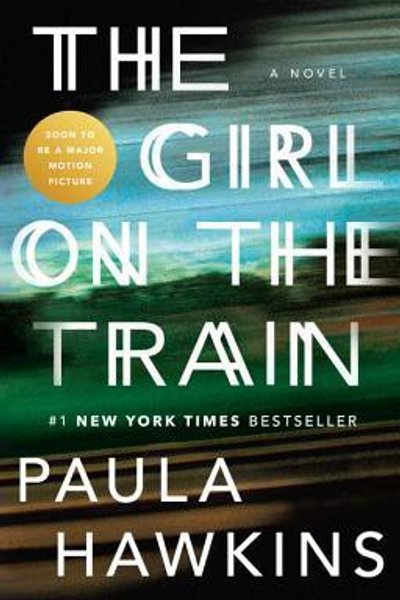
by Paula Hawkins
A debut psychological thriller that will forever change the way you look at other people's lives.
Rachel takes the same commuter train every morning. Every day she rattles down the track, flashes past a stretch of cozy suburban homes, and stops at the signal that allows her to daily watch the same couple breakfasting on their deck. She’s even started to feel like she knows them. “Jess and Jason,” she calls them. Their life—as she sees it—is perfect. Not unlike the life she recently lost.
And then she sees something shocking. It’s only a minute until the train moves on, but it’s enough. Now everything’s changed. Unable to keep it to herself, Rachel offers what she knows to the police, and becomes inextricably entwined in what happens next, as well as in the lives of everyone involved. Has she done more harm than good?
Compulsively readable, The Girl on the Train is an emotionally immersive, Hitchcockian thriller and an electrifying debut.
[paulahawkinsbooks.com][1]
[1]: http://paulahawkinsbooks.com/the-girl-on-the-train-by-paula-hawkins/
SageChimp earns a small commission from purchases made through links on this page, at no extra cost to you.
1 unpaid

Remember that breakup you weren't sure you could recover from? The one where your partner just brutally dumped you? You almost teetered off the edge, withdrawing from your friends and your job, and drinking more than you should have. But then you said to yourself, "If I don't stop this, I will become someone I can't bear to look at it in the mirror." And you dusted yourself off, called your sister or your friend, and you got on with your life. If you had not done so, Rachel, the titular girl on the train, is what you would have become.<br/><br/>This was a fantastically written book, yet very hard to read. The plot is not at all like Gone Girl (all the reviews compare it to Gillian Flynn's book). But it is similar in that all of the characters—I repeat, ALL of them—are hideously unlikeable. From the pathetic boozehound stalker, Rachel, and the cheating, lying Megan Hipwell and sad-sack enabler Anna, there is no one to root for in this book. They are all the type of women you would do well to immediately excommunicate from your circle of friends. So why did I like this book? What took me through to the end even though it was supremely painful at times?<br/><br/>Hawkins is a master at realistic narration, dialogue, and motivations in damaged women. Both beautiful and terrible, her words inspired both self-reflection and objective admiration of how she wields her craft. I firmly believe likable characters are not a necessity for good literature, and this is a prime example. I recommend this book. But fair warning, my lady friends... if you're fresh off a divorce or infertility, you might want to keep it on your 'to-read' list for a little while before you start on this one.